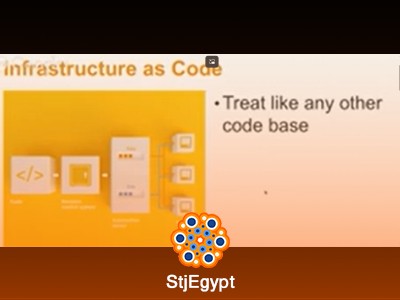

This introductory lesson explains the fundamentals of Chef, a configuration management tool used in DevOps to automate infrastructure setup and system configuration. It is part of a broader shift toward infrastructure as code, where environments are defined and managed through code rather than manual processes.
The course introduces how Chef uses a client-server or standalone model to manage systems consistently across multiple machines. It explains the core concept of “recipes” and “cookbooks,” which define how systems should be configured and maintained.
Learners are guided through how Chef automates repetitive tasks such as installing software, configuring services, and enforcing system states. This reduces human error and ensures consistency across development, staging, and production environments.
The lesson also introduces key components like nodes, resources, and the Chef server ecosystem, helping learners understand how infrastructure is modeled and controlled.
By comparing traditional scripting methods with Chef’s declarative approach, the course highlights how modern DevOps tools improve scalability, maintainability, and automation efficiency.
By the end of this introduction, learners will have a clear understanding of Chef’s role in DevOps and how it fits into infrastructure automation alongside tools like Ansible.